
Introduction
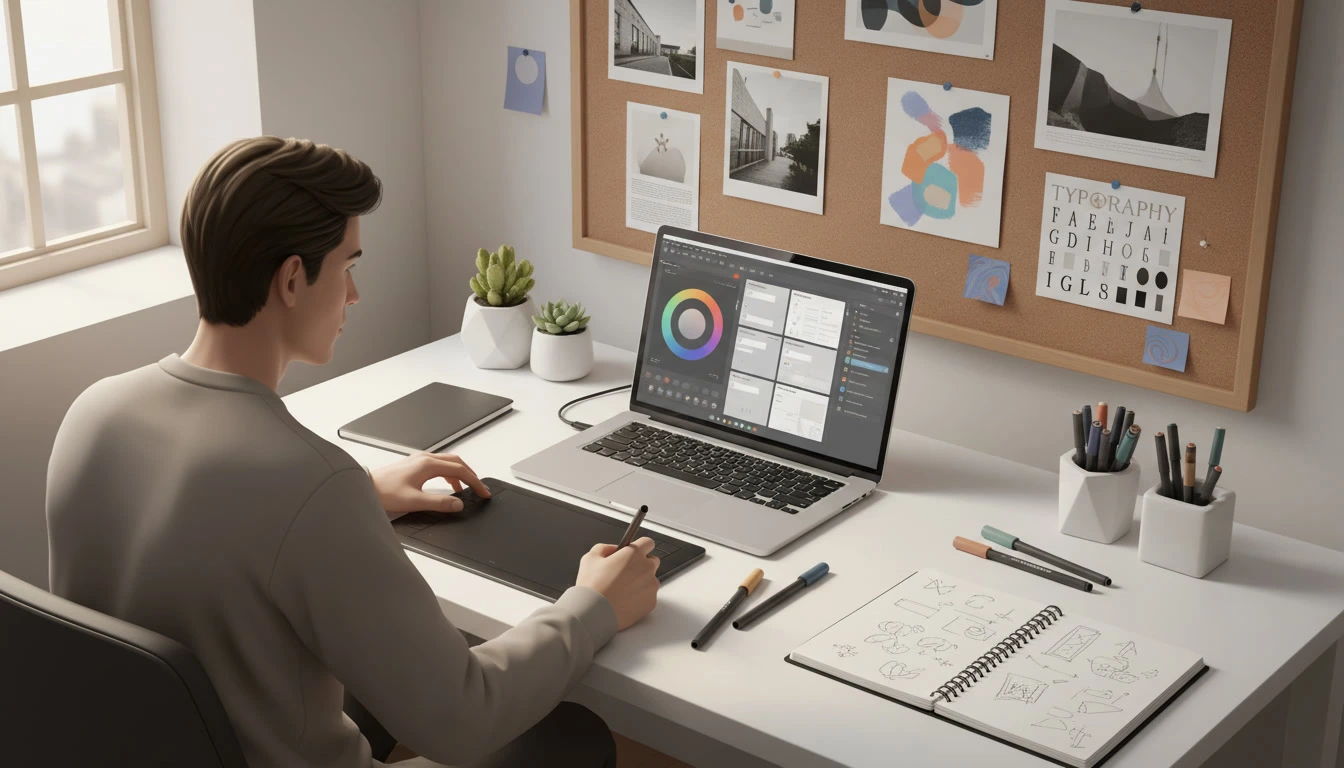
Daily habits serve as foundational tools for improving design skills, particularly for beginner and intermediate designers. These habits can significantly enhance an individual’s creative abilities by creating a structured pathway toward skill development. In this competitive field, where innovation and aesthetics are paramount, establishing consistent practices becomes vital for success.
The target audience for this discussion includes those who are in the early stages of their design journey or those seeking to refine their existing skill set. Aspiring designers often find themselves stagnant at certain points due to a lack of routine or actionable strategies. By incorporating daily habits into their workflows, these designers can foster an environment conducive to growth and experimentation.
Furthermore, the benefits of consistent practice cannot be overstated. Regular engagement in design activities not only allows individuals to hone their technical skills but also helps to boost their confidence over time. As designers immerse themselves in their craft, they gradually learn to navigate challenges creatively. This continuous cycle of practice and evaluation equips them to tackle more complex projects effectively.
Thus, in the journey of skill development in design, forming daily habits is essential. This proactive approach paves the way for discovering new techniques, staying updated with design trends, and ultimately producing work of a higher caliber. By committing to a daily practice framework, designers can make noteworthy strides in their professional endeavors.
Why Daily Practice is Essential for Designers
Daily practice is a fundamental aspect of skill development for designers, serving as the cornerstone of both creativity and technical proficiency. Engaging in consistent practice allows designers to engage with design principles regularly, reinforcing their understanding and enhancing retention of complex concepts. This repetition not only aids in memory retention but also fosters a deeper comprehension of design elements, typographic choices, and color theory.
One of the primary reasons daily practice is crucial is the ability to cultivate a routine that encourages exploration and experimentation. By dedicating time each day to design activities, whether it be sketching, digital illustration, or layout design, professionals can systematically improve their craft. Moreover, this consistent engagement helps designers receive immediate feedback, allowing them to identify strengths and areas for growth. It serves as a buffer against stagnation, pushing individuals out of their comfort zones and encouraging ongoing exploration of new techniques and styles.
However, a common pitfall many designers encounter is the neglect of foundational skills. It is easy to become engulfed in complex projects, leading to a disregard for the basics that underpin successful designs. Additionally, a lack of regularity in practice can lead to diminished skills over time, as the brain tends to forget infrequently used techniques. To combat these challenges and enrich the design-learning process, creating a structured daily practice schedule can be beneficial. Such a routine not only helps in maintaining proficiency but also ensures that one continuously revisits the fundamentals while simultaneously expanding their skill set.
In conclusion, regular practice stands as a definitive factor in skill enhancement for designers. By focusing on consistency and narrowing the tendency to settle into a comfort zone, designers can facilitate continual growth and innovation in their work.
Study Design Fundamentals Every Day
Understanding the core fundamentals of design is crucial for any aspiring designer. Key areas such as typography, color theory, layout, and composition define the framework upon which all design is built. To improve your design skills effectively, dedicating time each day to study these principles can lead to significant enhancements in your work.
Typography, for instance, not only involves choosing the right fonts but also encompasses the spacing, alignment, and readability of text. A deep understanding of various typefaces and their psychological impacts can help designers make informed choices that elevate their projects. Daily practice could include studying classic typographic layouts or experimenting with type in personal projects.
Color theory is another essential area. It describes how colors interact, their emotional associations, and how they can be harmoniously combined. Resources like “Interaction of Color” by Josef Albers can offer profound insights. Online platforms like Coursera and Udemy also provide courses focused specifically on understanding color dynamics, which can be beneficial for quick daily studies.
Layout and composition, while closely linked, consist of arranging visual elements in a way that communicates a message effectively. Practical exercises, such as recreating layouts from professional works or engaging in design challenges, ensure that these skill sets are put to the test regularly.
Furthermore, incorporating these fundamentals into real projects solidifies learning. For example, while redesigning a website, consciously applying the principles of color theory and typography can clarify their practical applications. By consistently integrating these elements into daily tasks, designers develop a more intuitive grasp of their importance.
In conclusion, committing to daily study of design fundamentals not only sharpens skills but also enhances a designer’s ability to create impactful and aesthetically pleasing work. Leveraging available resources effectively can significantly accelerate this growth.
Analyzing High-Quality Design Work
To significantly enhance your design skills, one of the most effective habits you can cultivate is the analysis of high-quality design work. This method allows aspiring designers to dissect professional designs, understanding their components and the rationale behind such decisions. Start by selecting a handful of exemplary designs from reputable platforms like Behance or Dribbble. These platforms showcase a plethora of works by seasoned designers, providing a rich source of inspiration and learning.
Begin your analysis by breaking down the elements present in each design. Pay attention to aspects such as layout, typography, color schemes, and imagery. Ask yourself questions about the design choices made: Why is a particular color utilized? How do the elements interact with one another? What message is the design conveying? By reflecting on these questions, you can develop a deeper understanding of what works effectively within the realm of design.
Additionally, consider the contextual factors influencing each design. The target audience and the purpose behind the design play critical roles in shaping its final form. Analyzing how various designs cater to different audiences can provide insights into adaptive design thinking.
As you study more designs, document your thoughts and observations. Create a design journal where you note the elements you admire and techniques you wish to incorporate into your work. This practice not only reinforces your learning but also helps you build a repository of design knowledge that you can refer back to when working on your projects.
Ultimately, analyzing high-quality design work fosters a nuanced appreciation of design principles. It equips you with the analytical skills necessary to create visually compelling and effective designs, thus setting the foundation for your growth as a skilled designer.
Practice Designing Every Single Day
To improve design skills effectively, engaging in daily design exercises is paramount. Establishing a routine that incorporates creating design works on a consistent basis not only enhances technical abilities but also fosters creativity. Making it a point to design even the simplest pieces every day can lead to significant improvements over time. This practice encourages designers to explore new techniques, experiment with varied styles, and ultimately discover what resonates most with their unique approach.
One effective strategy is to set a specific design challenge each day. You might create a logo, a poster, or even a landing page. The goal should not only include the quality of the work but also the completion of the project within a set timeframe. This time-bound aspect will push you to think quickly and effectively, resolving design problems efficiently. Many design communities on platforms such as Instagram or Behance introduce weekly challenges that can be greatly beneficial. Participating in these can foster a sense of community and motivation by allowing you to see how others interpret similar challenges.
Additionally, engaging in personal projects can help stimulate creativity and apply new design concepts in real-world scenarios. For instance, redesigning an existing brand’s visual identity or working on a conceptual app interface can enhance your versatility. The combination of daily practice and challenging projects can strengthen design skills immensely. Consistency is key, as making designing a daily habit will not only elevate your portfolio but also instill confidence in your abilities as a designer.
Build the Habit of Getting Feedback
Feedback is a fundamental aspect of the design process that can significantly shape an individual’s skills and overall growth. By regularly seeking constructive criticism, designers can gain new perspectives on their work, identify areas for improvement, and refine their creative vision. Establishing a habit of obtaining feedback not only enhances the quality of design projects but also promotes continuous learning and personal development.
To effectively integrate feedback into your design routine, it is important to adopt an open mindset. Accepting critique can be challenging, as it may trigger feelings of vulnerability; however, embracing constructive criticism is vital for improvement. Rather than perceiving feedback as personal criticism, view it as an opportunity to enhance your skills. When receiving feedback, listen attentively and ask clarifying questions to fully understand the perspective of others. This proactive approach allows you to extract valuable insights that can guide your design choices.
When giving feedback, aim for a balanced approach that includes both positive observations and constructive remarks. Highlighting strengths along with improvement areas helps maintain a positive dialogue, fostering a productive environment for discussion. Make sure to be specific in your feedback, as vague statements may lead to confusion and misunderstandings.
To further enrich your feedback experience, consider joining design critique groups or establishing a network of fellow designers. Engaging with a supportive community allows for regular exchanges of ideas and constructive criticism, offering diverse viewpoints that can enhance your design understanding. Actively participating in these groups cultivates a culture of creativity and mutual support, empowering you to take your design skills to new heights.
Enhancing Your Design Software Skills
In the constantly evolving field of design, mastery of essential design software such as Photoshop, Illustrator, and Figma is indispensable. To improve your design skills daily, adopting a structured approach to learning these tools is crucial. One effective strategy is to allocate a specific time each day dedicated solely to software practice. This consistent routine helps instill familiarity and ease, allowing for greater creativity and efficiency in your design projects.
Consider setting aside at least 30 minutes each day for tutorials that focus on various aspects of the software. Numerous online platforms offer an array of resources, ranging from beginner to advanced levels. Engaging with these tutorials not only enhances your skills, but also introduces you to new features and tools that may be essential in modern design practices. Additionally, exploring video tutorials can provide visual guidance, making it easier to follow along and apply techniques in real-time.
Furthermore, challenge yourself to experiment with new features as they are released. When a new update is available, take time to explore its capabilities and incorporate them into your design projects. Completing exercises that focus on various tools within the software can also enhance your familiarity and confidence. Websites that offer daily design prompts or challenges serve as excellent resources to apply what you’ve learned in a practical context.
To track your progress, maintain a portfolio of your work, which showcases different techniques you’ve mastered over time. This not only serves as a source of motivation but also assists in identifying areas requiring further development. By dedicating time each day to improve your software skills, you can significantly enhance your overall design capabilities, leading to more refined and compelling visual projects.
Train Your Creative Eye Outside Design Work
Improving your design skills is not solely confined to structured work hours or formal training programs. Everyday life holds abundant opportunities for enhancing your creativity and observation prowess. By actively engaging with your surroundings, you can train your creative eye to recognize valuable design elements color combinations, textures, and forms that may otherwise go unnoticed.
One effective approach is to develop a habit of observation. Start by incorporating mindfulness into your daily activities. Pay attention to the intricate details that populate your environment. This might include the vibrant interplay of colors in nature, the varying textures of materials in urban settings, or the unique shapes generated by architecture around you. Making these observations a priority will gradually sharpen your design perception.
Another beneficial practice is to maintain a design journal. Use this space to jot down your thoughts or sketch visual components that resonate with you throughout the day. When you encounter an interesting color palette in a shop window or an innovative layout in a magazine, documenting these moments can solidify your knowledge and inspire future projects. Additionally, consider utilizing photography as a tool for capturing design moments. A simple smartphone camera can help you compile a portfolio of visual stimuli, which can spark fresh ideas and perspectives.
Sharing your observations with peers or fellow designers can further enrich this practice. Engaging in discussions about your findings will help you analyze different viewpoints and encourage critical thinking, fostering a collaborative environment for learning.
In conclusion, nurturing your creative eye by observing your surroundings can lead to substantial improvements in your design skills. By consciously integrating these practices into your everyday life, you will cultivate a deeper appreciation and understanding of design that transcends conventional methods.
Follow Design Trends — But Don’t Chase Them Blindly
Design trends are an integral part of the evolving landscape of creative work, providing inspiration and a sense of the collective direction in which the industry is headed. However, it is vital for designers to approach these trends with a discerning eye. Following design trends can enhance your skills and keep your work fresh and relevant, but this should not come at the sacrifice of your personal design principles or unique style.
First, it is essential to critically evaluate the trends that surface in the design community. What may be popular now could easily become outdated, or worse, clichéd. Therefore, rather than adopting every trend en masse, take time to assess which ones resonate with your aesthetic and goals. The aim should be to integrate trends thoughtfully into your existing work, ensuring that they complement rather than overpower your style.
One effective method for staying informed about design trends is through research. Follow reputable design blogs, subscribe to industry newsletters, and engage in social media platforms where trends are discussed and showcased. Make it a habit to analyze successful projects and identify the underlying principles that make them appealing. Look for patterns but also contrast them with your own design philosophies. This can help you refine your processes and develop a keen sense of what works best for you.
Ultimately, while it is beneficial to be aware of current trends, maintaining a balance is crucial. Embrace those trends that align with your design identity and can enhance your creative output. By critically evaluating trends in relation to your personal design fundamentals, you can elevate your skills without losing sight of your unique voice. This approach will not only improve your design skills but also contribute positively to your overall creative growth.
Maintain a Daily Design Routine
Establishing a structured daily design routine is an essential element for any designer aiming to improve their skills. A consistent practice not only fosters creativity but also enhances productivity. By setting aside dedicated time for design-related activities, designers can significantly develop their expertise. The key is to make this time non-negotiable, much like a professional commitment.
To effectively maintain this routine, it is beneficial to establish specific goals for each session. Setting clear, achievable objectives—such as learning new software features, working on personal projects, or engaging in design challenges can direct the designer’s focus and measure their progress. Moreover, these goals should be revisited periodically to ensure they align with personal growth and professional aspirations.
Utilizing scheduling tools can greatly enhance one’s ability to adhere to a daily design routine. Digital calendars or task management applications can be employed to block out design practice time, making it far less likely to be overlooked. By creating a visual representation of one’s commitments, it becomes easier to prioritize design work and integrate it into one’s daily life.
Creating a conducive workspace is another critical factor in maintaining a successful design routine. This designated area should be both inspiring and functional, equipped with the necessary tools that cater to the designer’s needs. Personalizing the space with motivational elements can help keep them engaged and enthusiastic about their craft.
Ultimately, by committing to a daily design practice, setting clear goals, utilizing scheduling tools, and maintaining an inspiring workspace, designers can cultivate an environment conducive to skill enhancement. Such an organized approach will yield significant improvements in design capabilities over time, reinforcing the commitment to continuous learning and development in the field.
Common Daily Habits Designers Should Avoid
Designers, like professionals in any creative field, often fall into certain habits that can hinder their growth and skill development. One common pitfall is complacency. Once a designer feels comfortable with their current abilities, they may stop pushing themselves to learn new techniques or tools. This stagnation can lead to outdated skills, making it difficult for them to keep pace with the ever-evolving design landscape. To combat this, it is essential for designers to regularly set new challenges for themselves, exploring unfamiliar areas and seeking out innovative projects.
Neglecting the fundamentals of design is another mistake that can undermine a designer’s efficacy. The foundation of good design principles—such as hierarchy, balance, and contrast—should never be overlooked. As trends fluctuate, designers may be tempted to adopt the latest styles at the expense of these essential skills. However, a solid grasp of fundamental concepts is crucial for creating effective and timeless designs. Regularly revisiting and practicing these principles is a key habit that can significantly enhance overall design capabilities.
Moreover, failing to seek constructive feedback is a habit that can stifle a designer’s improvement. Working in isolation may lead to missed opportunities for growth. Engaging with peers, mentors, or clients to obtain insights on one’s work can provide valuable perspectives that challenge assumptions and inspire change. Regular feedback helps designers refine their approach, identify blind spots, and ultimately elevate the quality of their designs. Therefore, actively seeking out critique should be regarded as an essential aspect of every designer’s daily routine.
Conclusion
Improving design skills requires a dedicated approach and the incorporation of effective daily habits into one’s routine. Throughout this article, we have highlighted several key practices that can significantly influence your development as a designer. These habits include consistent sketching, engaging with design communities, consuming diverse design-related content, and systematically seeking feedback on your work. By committing to these habits, individuals can encourage creativity, enhance technical abilities, and cultivate a mindset conducive to learning.
Persistence is essential in this journey, as the path to becoming a better designer is not always linear. Regularly practicing the discussed techniques ensures ongoing progress and keeps designers motivated. It is also important to recognize that improvement is a gradual process; thus, embracing consistency over perfection is vital.
Integrating these habits into your daily life not only fosters skill enhancement but also opens opportunities for innovative thinking and problem-solving. Whether it’s through daily sketching, participating in design critiques, or exploring new design trends, each action contributes to your growth. Remember that the design world continuously evolves, and maintaining an adaptable and curious mindset will serve you well.
In conclusion, the commitment to these daily practices can profoundly impact your design skills. By adopting the outlined habits, you take significant strides toward excellence in design, fostering not just technical proficiency but a deeper connection to the design community. As you embark on this continuous journey, remember that with time, effort, and persistence, you can achieve remarkable results in your design endeavors.
Frequently Asked Questions about Daily Design Practice
As aspiring designers embark on their journey to enhance their skills, several frequently asked questions arise regarding the structure and methodology of daily practice. One common query is about the minimum time commitment necessary to see tangible results in design skills. While the duration may vary based on individual goals and starting skill levels, design experts often suggest dedicating at least 30 minutes a day to practice. This consistency can yield significant improvements over time, fostering both creativity and technical proficiency.
Another prevalent question concerns the best methods to measure one’s improvement in design. Tracking progress can be as simple as maintaining a design journal to document daily practices and projects. Additionally, engaging in regular peer reviews or seeking constructive feedback can allow designers to identify areas for improvement. Utilizing online platforms to share work can also provide valuable metrics, such as engagement rates and audience reactions, which serve as indicators of growth.
For those seeking further resources to enhance their design capabilities, a plethora of online platforms offer tutorial courses, webinars, and community forums. Websites like Coursera, Udemy, and Skillshare provide structured learning paths that cater to various skill levels. Moreover, design-oriented books and podcasts can serve as insightful sources of inspiration and knowledge. Engaging with design communities on social media platforms can also facilitate valuable exchanges, allowing learners to access a wide array of perspectives and feedback.
In conclusion, daily practice in design is essential for continuous improvement, and by addressing common queries such as time commitment, measurement of progress, and available resources designers can effectively structure their learning journey to maximize their skills.

H S N De Silva is a graphic designer and digital creator with over 3 years of hands-on experience in visual design and media editing. Through Sonic LK, he shares practical tutorials, step-by-step guides, and ready-to-use templates to help beginners and intermediates master tools like Adobe Photoshop, Illustrator, and Premiere Pro — without the overwhelm.